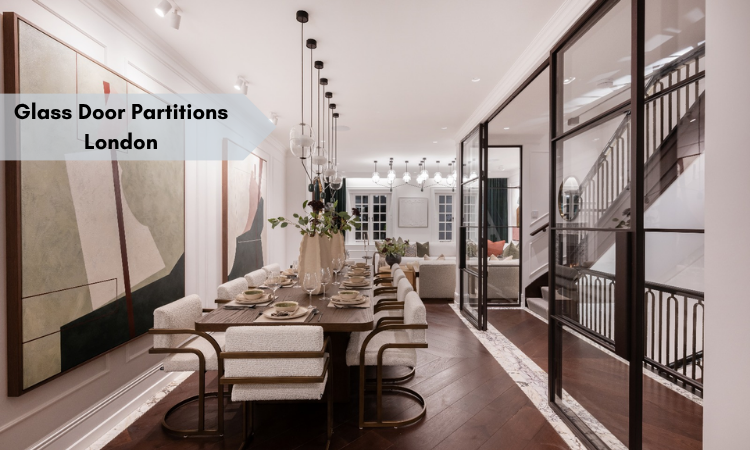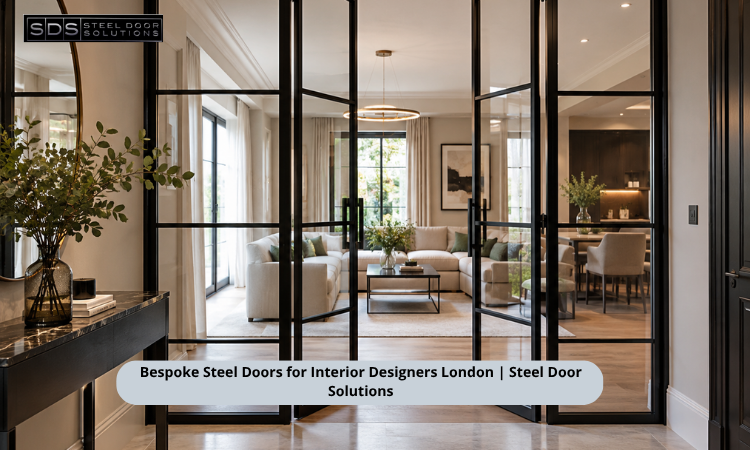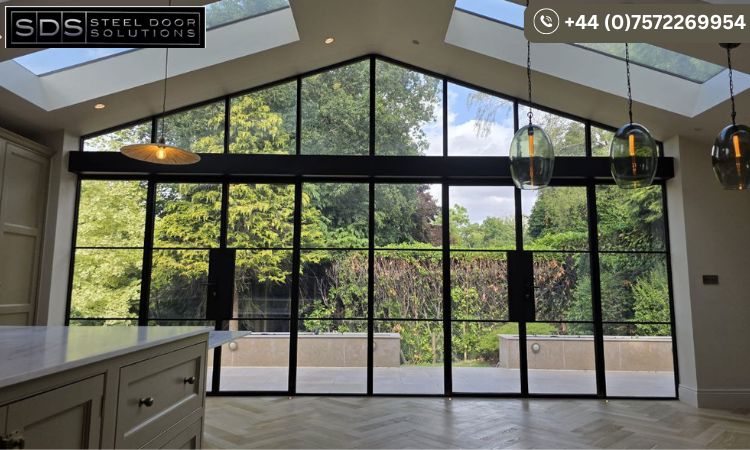
Glass and steel doors have become one of the most sought-after architectural upgrades in London homes and commercial spaces. They flood interiors with natural light, define spaces without closing them off, and carry a design quality that few other materials can match. But before you invest, there is a great deal worth understanding from glass types and thermal performance to planning rules and what to expect during installation. Here is your complete guide.
Why Steel and Glass Work So Well Together
The combination of steel and glass is not simply an aesthetic choice it is structural logic. Steel’s exceptional tensile strength allows for far slimmer frames than timber or aluminium could support, which means larger expanses of glass, significantly more natural light, and a dramatically cleaner visual line. In London’s mix of Victorian terraces, warehouse conversions, and contemporary new-builds, this pairing has become the defining choice for homeowners who will not compromise on either security or style.
Unlike timber, steel does not warp or swell with seasonal humidity changes. Unlike aluminium, it offers greater rigidity for spanning wide or tall openings. The result is a door that performs structurally and stays beautiful for decades with minimal maintenance.
The Design Range Is Broader Than You Might Expect
Many buyers associate glass and steel doors with a purely industrial aesthetic loft apartments, converted warehouses. In reality, the design vocabulary is far broader. Slender Crittall-style grid frames suit Georgian and Victorian properties with quiet confidence. Wide pivot doors with floor-to-ceiling glazing transform contemporary new-builds. Arched steel doors add grandeur to period entrances without looking out of place.
At Steel Door Solutions, every door is entirely bespoke — designed around your property and your brief, not a standard catalogue. Finishes span virtually any RAL colour, with matte black, deep green, and warm charcoal among the most popular choices across our London projects.
Choosing the Right Glass for Your Application
Glass specification is where many buyers feel uncertain, and it is where professional expertise makes the biggest difference. The right glass depends entirely on how and where the door will be used.
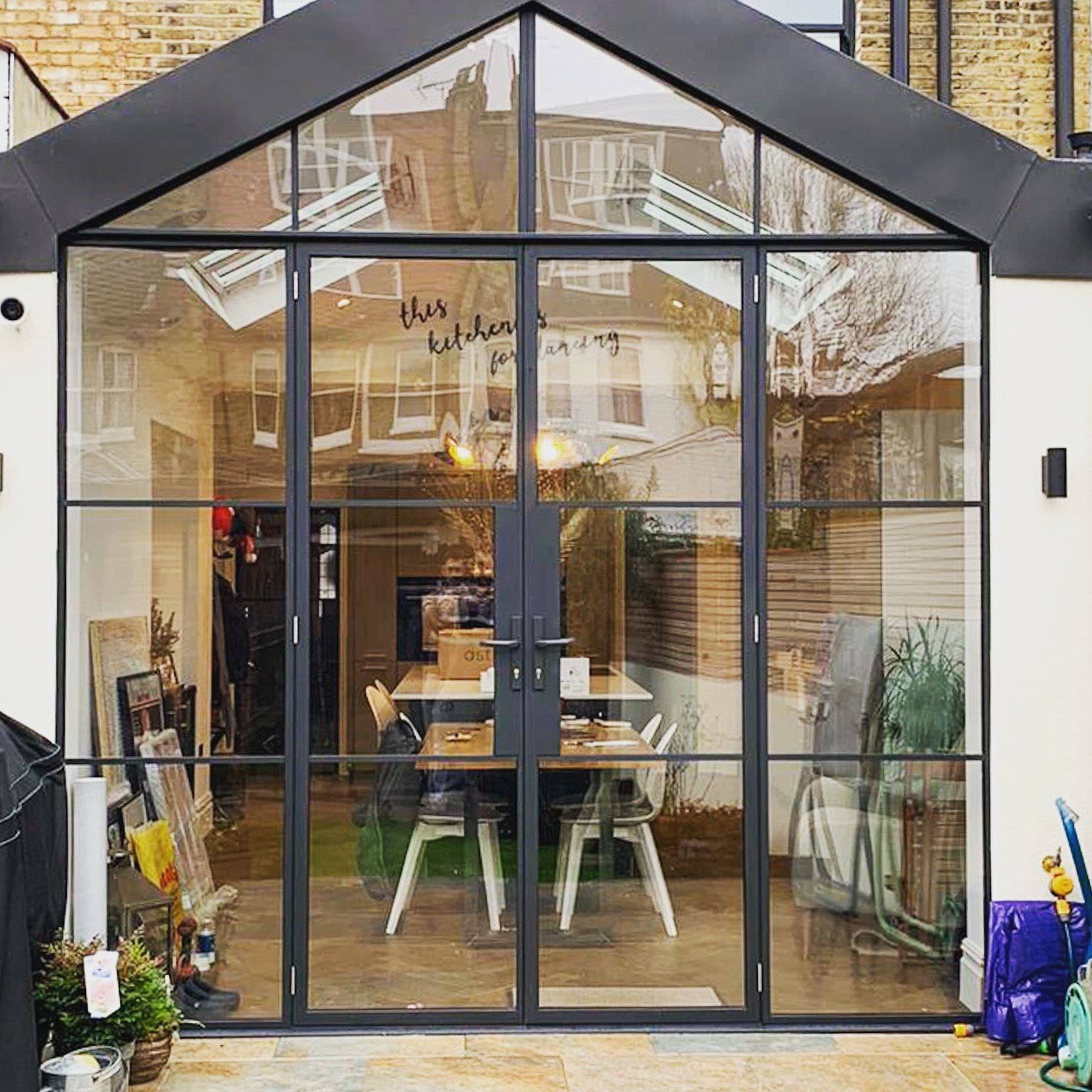
For internal applications screens, room dividers, kitchen-to-living connections clear toughened or laminated glass maximises light transmission and creates that seamless visual flow. External doors require double-glazed sealed units for thermal and acoustic performance. Frosted or acid-etched glass suits bathrooms, utility rooms, and street-facing entrances where privacy matters. In conservation areas, wired or patterned glass may be required to satisfy planning conditions. All glass used by Steel Door Solutions meets current UK safety glazing standards as a minimum.
Thermal Performance on External Doors
Steel is a conductive material, so thermal performance must be deliberately engineered for external applications. Thermally broken frames — where a non-conductive barrier separates the inner and outer steel profiles — prevent cold bridging and heat loss. Combined with double or triple glazed units, a well-specified external glass and steel door can meet modern building regulation requirements, even in London’s older housing stock.
When comparing quotes, always confirm whether the frame is thermally broken. It is one of the most significant technical distinctions between a professional bespoke product and a cheaper alternative and it makes a real difference to energy bills and comfort throughout the year.
“A bespoke glass and steel door does not simply replace an opening it redefines it. When the frame is right, the glass is right, and the installation is precise, you notice it every single day. Not because it demands attention, but because it earns it.“
Internal vs. External: Different Priorities, Same Standard of Quality
External glass and steel doors must withstand weather exposure, meet UK security standards, and deliver consistent thermal and acoustic performance year-round. Internal doors and screens have a different brief the focus shifts to light transmission, aesthetic flow, and the way a space feels when you move through it.
Understanding which category your project falls into, or whether you need both, shapes every decision that follows. Our initial consultation is designed precisely to establish this, so that the specification we develop is right for your use case rather than a generic product forced into your opening.
Planning Permission and Conservation Areas
London has more conservation areas and listed buildings than almost any other UK city. If your property sits within one, you may need planning permission before new doors can be installed even when replacing like-for-like. Rules vary between boroughs and individual listed building consents, so checking with your local planning authority early is always worthwhile.
Our team has experience delivering projects across sensitive planning environments throughout London and can help you understand what is likely to be required, navigate the process, and provide the technical documentation that applications typically demand.

Why a Professional Site Survey Is Non-Negotiable
Every glass and steel door we produce is made to order, so precise measurements must be taken before fabrication begins. London’s older properties — Georgian townhouses, Victorian terraces, Edwardian conversions frequently have openings that are not perfectly square, plumb, or level. A professional site survey identifies these variations before production, ensuring a door that fits correctly, seals properly, and operates without issue from the moment it is installed.
Our process always begins with a detailed on-site consultation and survey, at no obligation. This is the foundation every successful project is built on.
The Long-Term Return Is Exceptional
Glass and steel doors represent a higher upfront investment than standard alternatives, but the long-term economics are compelling. Steel is extraordinarily durable our doors are built to last decades with minimal upkeep. The design impact, natural light gain, and architectural quality they bring consistently add measurable value to London properties.
For homeowners renovating for the long term, and for developers seeking to differentiate a project in a competitive market, bespoke glass and steel doors deliver a return in liveability, aesthetics, and resale appeal that few other investments can match.
Why Choose Steel Door Solutions?
With over 10 years of experience, Steel Door Solutions specialises in crafting bespoke glass and steel doors for residential and commercial properties across London and the wider UK. From initial consultation and professional site survey through to 3D design planning and expert installation, we manage every stage in-house no subcontractors, no shortcuts, and no compromise on finish.
Our clients trust us for the quality of the product, the precision of the installation, and the transparency we bring to every stage. Whether you need a dramatic glazed front entrance, an elegant internal steel screen, or a fully custom patio door system, our team is ready to bring your vision to life.
Ready to Explore Your Bespoke Glass and Steel Door?
Get in touch with the Steel Door Solutions team today. We offer a no-obligation consultation and professional site survey to help you find the perfect door for your London property.
Get In Touch →